

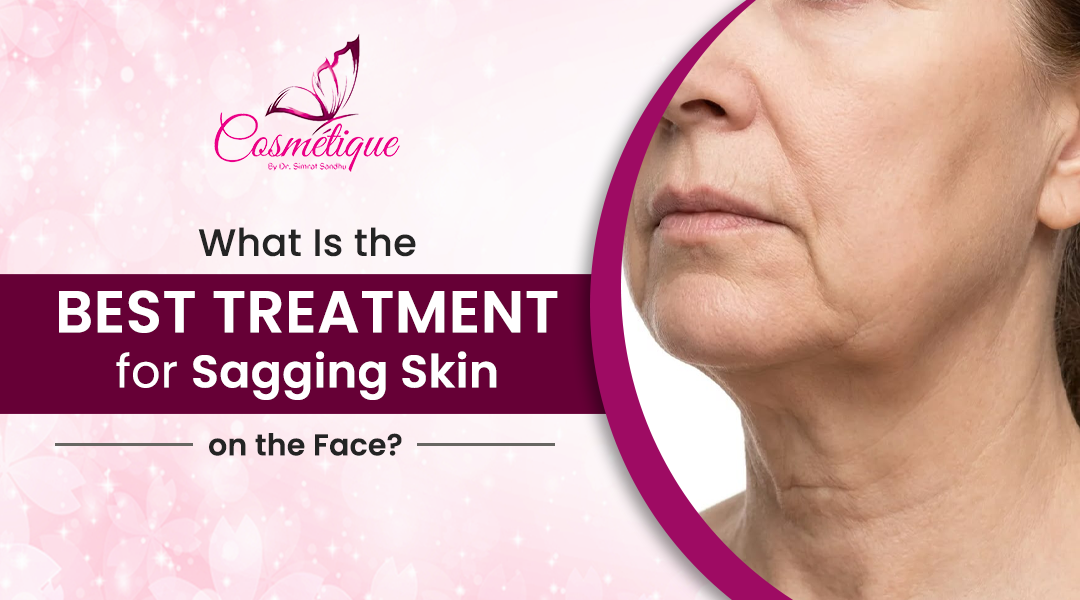
What Is the Best Treatment for Sagging Skin on the Face?
Facial skin gradually loses firmness and elasticity with age. Fine lines, deeper folds, loose skin around the jawline and drooping cheeks are some of the common changes associated with ageing. These changes occur as collagen and elastin production decreases, affecting the skin's ability to maintain its structure and firmness.
While ageing is a natural process, several aesthetic procedures can help improve the appearance of loose facial skin. The right sagging skin treatment depends on factors such as the degree of skin laxity, age, skin quality and individual aesthetic concerns.
Non-surgical procedures are often considered by people looking to improve facial firmness without undergoing surgery. However, not every treatment delivers the same results. Understanding the available options can help you make an informed decision.
What Causes Sagging Skin on the Face?
Facial skin laxity develops due to a combination of biological and environmental factors. Some of the most common causes include:
- Reduced collagen production: Collagen provides structural support to the skin. Its gradual decline contributes to reduced firmness and elasticity.
- Loss of elastin: Elastin allows the skin to stretch and return to its original shape. Reduced elastin affects skin resilience.
- Age-related volume loss: Changes in facial fat distribution and underlying bone structure can make the cheeks and other facial areas appear less supported.
- Sun exposure: Long-term exposure to ultraviolet (UV) radiation can accelerate collagen breakdown and contribute to premature skin ageing.
- Lifestyle factors: Smoking, inadequate sleep, nutritional deficiencies and environmental stressors may affect overall skin health.
- Weight fluctuations: Significant weight loss can leave excess or loose skin, particularly when the skin has reduced elasticity.
Identifying the underlying cause is important because the most suitable loose skin treatment varies according to the severity and location of skin laxity.
What Is the Best Treatment for Sagging Skin on the Face?
The best treatment depends on the degree of skin laxity and individual concerns. Mild to moderate sagging may improve with non-surgical procedures, while advanced skin laxity may require a surgical facelift. Common treatment options include:
1. HIFU (High-Intensity Focused Ultrasound)
HIFU uses focused ultrasound energy to stimulate collagen remodelling in deeper tissue layers. It may improve skin firmness and facial definition, particularly around the cheeks, jawline, chin and neck.
2. Morpheus8 Radiofrequency Microneedling
Morpheus8 combines microneedling with radiofrequency energy to stimulate collagen production. It may help improve mild skin laxity, fine lines, wrinkles and uneven skin texture.
3. Radiofrequency Skin Tightening
Radiofrequency treatments use controlled heat to stimulate collagen remodelling. They can help improve mild skin laxity and support firmer-looking skin, particularly around the cheeks, jawline and neck.
4. Thread Lift
A thread lift involves placing absorbable threads beneath the skin to provide support and lift selected facial areas. It may be suitable for individuals with mild to moderate sagging who want a minimally invasive lifting procedure.
5. Dermal Fillers
Dermal fillers, particularly hyaluronic acid-based fillers, help restore lost facial volume. They can improve cheek definition and facial contours, although they do not directly tighten loose skin.
6. Surgical Facelift
A surgical facelift is generally considered for significant facial sagging. It involves repositioning underlying tissues and removing excess skin to improve sagging around the cheeks, jawline and neck. It requires surgical assessment, anaesthesia and recovery time.
Non-Surgical Treatment vs Surgical Facelift: Which Should You Choose?
The choice between surgical and non-surgical procedures depends on the extent of sagging, desired improvement and willingness to undergo surgery.
Factor Non-Surgical Treatments Surgical Facelift Best suited for Mild to moderate laxity Moderate to significant laxity Procedure Energy-based or minimally invasive Surgical intervention Downtime Usually shorter, depending on treatment Longer recovery period Results Generally gradual and variable More substantial lifting Skin removal No Yes, when required Longevity Varies by procedure Generally longer-lasting
A consultation with a qualified aesthetic physician or plastic surgeon can help determine which approach is appropriate.
How Can You Maintain Facial Skin Firmness?
Professional procedures work best when supported by consistent skincare and healthy lifestyle habits. Although these measures cannot reverse significant skin laxity, they can support overall skin health.
Consider the following practices:
- Apply broad-spectrum sunscreen: Use SPF 30 or higher daily to reduce UV-related skin damage.
- Use a retinoid when suitable: Retinoids can support collagen production and improve the appearance of fine lines. Introduce them under professional guidance.
- Maintain skin hydration: Moisturisers containing hyaluronic acid and ceramides help maintain the skin barrier.
- Follow a balanced diet: Include adequate protein, fruits, vegetables and other nutrient-rich foods.
- Avoid smoking: Smoking contributes to oxidative stress and collagen breakdown.
- Maintain stable body weight: Repeated weight fluctuations may affect facial volume and skin appearance.
These habits can complement an anti-ageing treatment plan but cannot replace procedures when significant skin laxity is present.
Explore Facial Skin Tightening Treatments at Cosmetique by Dr Simrat Sandhu
Facial ageing involves changes in skin quality, collagen levels, facial volume and underlying tissue support. Therefore, selecting a suitable procedure requires more than simply choosing a popular skin tightening treatment.
At Cosmetique by Dr Simrat Sandhu, treatment recommendations are based on individual aesthetic concerns, skin condition and clinical assessment. Dr Simrat Sandhu focuses on evaluating facial ageing concerns and discussing appropriate aesthetic treatment options based on individual requirements.
If you are considering facial skin tightening or a non-surgical treatment for loose skin, a consultation can help you understand the available procedures, their limitations, expected outcomes and associated risks.
Explore anti-ageing treatment in Amritsar at Cosmetique by Dr Simrat Sandhu. Book a consultation to understand which sagging skin treatment may be suitable for your facial concerns.
Frequently Asked Questions About Sagging Skin Treatment
1. What is the best treatment for sagging skin on the face?
The best sagging skin treatment depends on the degree of skin laxity and individual concerns. HIFU, Morpheus8, radiofrequency skin tightening and thread lifts are some non-surgical options. A surgical facelift may be considered for more advanced sagging.
2. Can sagging facial skin be tightened without surgery?
Yes, several non-surgical treatments can help improve mild to moderate facial skin laxity. HIFU and radiofrequency treatments stimulate collagen remodelling, while Morpheus8 combines microneedling with radiofrequency energy to improve skin firmness and texture.
3. At what age does facial skin start sagging?
Facial skin may start losing collagen and elasticity from the mid-20s onwards. However, visible sagging commonly becomes more noticeable during the 30s and 40s. Genetics, sun exposure, lifestyle and weight fluctuations can influence when these changes appear.
4. How long do the results of skin tightening treatments last?
Results vary depending on the procedure, skin condition and individual ageing process. Non-surgical treatments may provide improvements lasting several months to a few years. Maintenance sessions may be recommended depending on the technology and clinical assessment.
5. Is HIFU or Morpheus8 better for facial skin tightening?
Both treatments address skin laxity differently. HIFU uses focused ultrasound energy to target deeper tissue layers, while Morpheus8 combines microneedling and radiofrequency to stimulate collagen remodelling at selected depths. The appropriate option depends on skin condition and treatment goals.
6. Which skin-tightening treatment is suitable for loose skin around the jawline and neck?
HIFU, radiofrequency treatments and Morpheus8 may be considered for selected cases of mild to moderate laxity around the jawline and neck. More significant sagging may require surgical evaluation. A consultation at Cosmetique by Dr Simrat Sandhu can help identify suitable treatment options based on individual concerns.
7. What are the early signs of sagging facial skin?
Early signs of sagging facial skin include reduced firmness, less defined jawline contours, mild drooping around the cheeks, deeper smile lines and loose skin around the neck. These changes may develop gradually as collagen and elastin levels decrease with age.
8. Can lifestyle changes help prevent facial skin from sagging?
Yes, certain lifestyle habits may help support skin health and slow the visible signs of ageing. Using broad-spectrum sunscreen, following a balanced diet, staying hydrated, avoiding smoking and maintaining a stable weight can help support skin elasticity and overall skin quality.